'Pure nostalgia' - Throwback pictures from the last time Ireland reached World Cup in 2002
Search


26 Mar 2026

Please allow ads as they help fund our trusted local news content.
Kindly add us to your ad blocker whitelist.
If you want further access to Ireland's best local journalism, consider contributing and/or subscribing to our free daily Newsletter .
Support our mission and join our community now.
To continue reading this article, you can subscribe for as little as €0.50 per week which will also give you access to all of our premium content and archived articles!
Alternatively, you can pay €0.50 per article, capped at €1 per day.
Thank you for supporting Ireland's best local journalism!

Exclusive interview with Edith Donohoe

In an exclusive interview with a woman from Dublin, she shares her story of how she was secretly addicted to crack cocaine and how it nearly ruined her life.
The mother of three, Edith Donohoe, is now a social worker with Tiglin, a non-profit organisation supporting people on the road to recovery. This is her story.
"Nobody knew I was doing cocaine. I worked. I looked after the kids. I did it when they were asleep or when I was out,” Edith said.
Edith now works from the Lighthouse Homeless Café in Dublin, the same place she once visited during her own journey through addiction. Today, she’s helping others begin again, but for two decades, she lived a life only few knew about.
“I was always shy and kept to myself,” Edith shares. “There were things in my past I never really dealt with - rejection, trauma, heartbreak. I didn’t realise I was broken at the time.”
Her drug use began casually, socially, mostly cocaine and alcohol at parties. “The first time I tried it, a friend said ‘You’ll feel great on it,’” she recalls. “And I did. I felt confident, chatty. For someone who often felt low or unsure of herself, that feeling was addictive.”
At the time, Edith was a young mother of three and she describes her drug use as hidden and controlled, only on weekends or when she could afford it.
Over time, the need for the high grew stronger. She progressed from cocaine to heroin, then eventually to crack cocaine in 2016. That was the turning point.
“Crack hit me hard. The high was intense, but it didn’t last, so you’re constantly chasing it. I stopped eating and sleeping. I couldn’t get out of bed unless I had more.”
READ NEXT: RIP: Tragic Garda update as body found in search for missing man (23) in Kildare
Edith says the story she lived is now one she hears everyday in her work. She says that most people start with alcohol and marijuana, then move on to cocaine. From there, the slide into more dangerous drugs like crack or heroin often happens quickly, especially if someone’s dealer suggests trying it when they’ve no cocaine left.
“Alcohol and cocaine go hand in hand. They’re everywhere - pubs, parties, workplaces. People lose jobs, lose homes, families break down, and children go without their parents being there for them emotionally.
"It’s heartbreaking, and it’s common.”
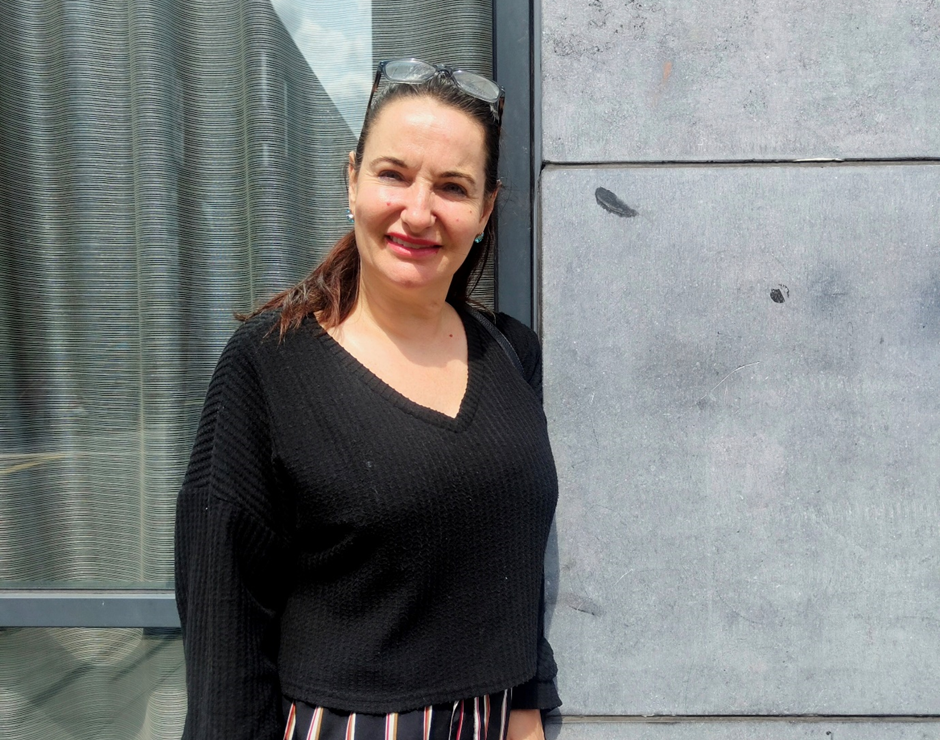
As an assessment and intake coordinator with Tiglin, Edith now meets people where she once stood - at the point of needing help. Whether someone reaches out through a phone call, email, or the ‘Get Help’ button at www.tiglin.ie, Edith is often their first point of contact.
From there, they’re guided through an assessment process and into Tiglin’s pre-entry group, which helps prepare individuals for residential treatment. Tiglin offers programmes for both men and women that usually last around nine months, with follow-on care available for those ready to take the next step into supported housing.
Recovery, Edith says, can be especially tough for women. “Women are usually the caregivers. They’re juggling kids, emotions, family responsibility - and they carry it all into treatment.”
Though the core structure of Tiglin’s programme is the same for men and women, Edith notes that women often experience deeper emotional challenges. “A lot more comes up. The pain we’ve buried, the things we didn’t face.”
Her own turning point came not just through stopping the drugs, but through finally facing her past. “When I entered Tiglin, I thought I just needed to get away from the drugs. I didn’t realise I had to deal with the grief, the trauma, the rejection. It was through counselling that I really began to understand myself, for the first time.”
Now, Edith is one of the first faces people see when they come to Tiglin for help, a living example of what’s possible on the other side of addiction.
“I tell people it can take up to three months for your brain to even begin to clear. The drugs change how we think and feel. That’s why shorter programmes don’t always work - people need time to heal.”
Senator Aubrey McCarthy, who co-founded Tiglin in 2008, had this in mind. He recognised that many people needed more than just temporary shelter or surface-level treatment.
“I remember growing up and seeing the dark side of addiction in my household. I expected someone to show up and help, but they never did. That’s why I started Tiglin, to give people the time, structure, and real wraparound support they weren’t getting. The organisation now offers life skills, education, employment, and aftercare so people like Edith can reintegrate
with dignity and purpose. It’s about walking alongside someone long-term and helping them to rebuild their life truly,” Aubrey McCarthy said.
Edith’s role at Tiglin is more than a job. It’s her way of giving back, of being the person she needed when she was struggling.
“For years, I felt like I was carrying a dead weight.
"The drugs poisoned me, made me not want to live. But now, after doing the work, that weight has lifted. I feel free.”

Subscribe or register today to discover more from DonegalLive.ie
Buy the e-paper of the Donegal Democrat, Donegal People's Press, Donegal Post and Inish Times here for instant access to Donegal's premier news titles.
Keep up with the latest news from Donegal with our daily newsletter featuring the most important stories of the day delivered to your inbox every evening at 5pm.

This publication supports the work of the Press Council of Ireland and Office of the Press Ombudsman, and our staff operate within the Code of Practice of the Press Council. You can obtain a copy of the Code, or contact the Council, at www.presscouncil.ie, Lo-call 1800 208 080 or email: info@presscouncil.ie.