

New measures to boost numbers of women in county councils, including Longford

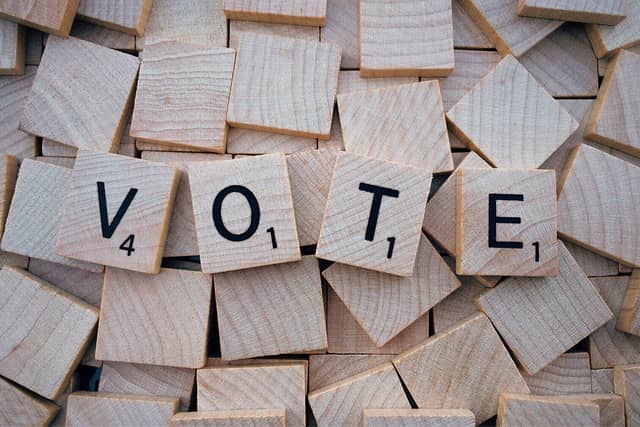

The Local Democracy Taskforce has published recommendations to strengthen local democracy, bring decision-making closer to communities
New measures to boost participation of women and minority groups in local authorities nationwide, including Longford County Council, have been published.
Longford County Council has one of the lowest of representation of female councillors in the country with just two women out of 18 local representatives, Fine Gael Cllr Peggy Nolan and Fianna Fáil Cllr Uruemu Adejinmi.
The number of female councillors in Longford is well below the national average of around 26% to 27.5% and city-based local authorities such as lDún Laoghaire-Rathdown where women hold 50% of the seats
The Local Democracy Taskforce has published recommendations to strengthen local democracy, bring decision-making closer to communities, and better support Councillors.
A key element of the recommendations is to increase the participation of women, people with disabilities and people from minority backgrounds.
READ NEXT: Longford town’s St. Art has officially begun
Brian Sheehan, CEO of Women for Election, said local Government is stronger, fairer and more trusted when it fully reflects the communities it serves.
"The Taskforce report contains a range of welcome proposals to increase the participation of women and people from minority backgrounds, which is essential to sustaining our democracy."
Ireland currently ranks 22nd out of the EU27 in the number of women in local government. Women hold just 261 council seats (27%), with only three local authorities having more than 40% women after the last election. Just 12 women from migrant backgrounds were elected.
“There are well-recognised barriers to participation of women and people from diverse backgrounds. Incumbency is a major challenge, with 84% of Councillors seeking re-election and 86% of those returned in 2024, leaving limited opportunities for women or people from Traveller or minority backgrounds.
It is disappointing that the Taskforce did not recommend candidate gender quotas, similar to those in place in Dáil elections, or diversity or nested quotas, or consider term limits to address this barrier," Mr Sheehan said.
“However, the recommendation that the Electoral Commission examine the long-term framework for determining Councillor numbers offers an opportunity to consider candidate quotas, nested quotas or other temporary or special measures to ensure Councils better reflect the communities they serve.”
Women for Election also welcomed the recommendation to examine an election access fund for disabled candidates, one of the organisation's key submissions to the Taskforce. Similar schemes in other countries have helped level the playing field by covering disability-related election costs
Recent Women for Election research highlighted the widespread abuse and harassment experienced by women in politics. "We also welcome the report's emphasis on implementing the recommendations of the Task Force on Safe Participation in Political Life, including online safety training for candidates and elected representatives, training that Women for Election offers to women candidates and those elected.”
"While it is a lost opportunity that the Taskforce did not recommend directly elected Municipal Councils, which could have provided an important first step into politics for women, people from minority backgrounds or other underrepresented groups, the report contains many positive measures that will strengthen local democracy and enhance Councillors' ability to serve their communities," concluded Mr Sheehan.