

Look out for the hedgehog! Longford residents encouraged to record hedgehog sightings
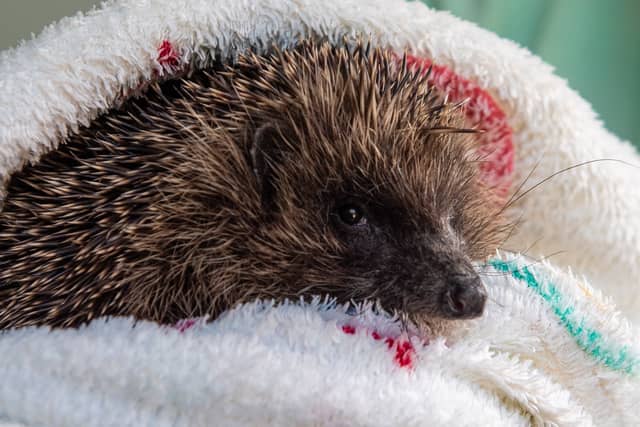

From Monday June 8, members of the public are asked to record sightings of hedgehogs in gardens, parks, farms, campuses and other green spaces, and submit their observations online at the irishhedgehogsurvey.com
Longford animal lovers are invited to take part in the inaugural Great Big All-Ireland Hedgehog Count, a nationwide citizen science effort aimed at improving our understanding of hedgehog populations.
From Monday June 8, members of the public are being encouraged to record sightings of hedgehogs in gardens, parks, farms, campuses and other green spaces, and submit their observations online at the irishhedgehogsurvey.com

The initiative - which is being led by the Hedgehog Conservation Ireland in partnership with researchers at University of Galway and University of Oxford - aims to use the data to help identify where hedgehogs are thriving and where populations may be under pressure due to habitat loss, road traffic and other environmental changes.
Organisers say public participation is essential, as hedgehogs are largely nocturnal and therefore difficult to monitor using traditional scientific surveys alone.
Elaine O’Riordan, researcher at the University of Galway and lead researcher for the Irish Hedgehog Survey, said community involvement is central to the project’s success.
She said, “Public participation is vital because hedgehogs are nocturnal animals, and monitoring them on a large scale would be impossible without community support. People across Ireland can make a real contribution to hedgehog conservation simply by reporting sightings.”
Across Europe, hedgehogs are currently classified as a “near threatened” species, and scientists say public participation is essential to tracking changes in their numbers over time.
Being under threat is of concern as hedgehogs are widely recognised for being an important component of a healthy ecosystems, helping to naturally control insects, slugs and other invertebrates in gardens and agricultural environments. However, researchers warn that their numbers are in decline due to varying factors.
As such, organisers now hope the project will not only generate valuable scientific data but also encourage members of the public to make their gardens and communities more wildlife-friendly by improving habitats for hedgehogs and other native species.