

Longford homeowners warned over garden task 'mistakes' that could lead to hefty fines
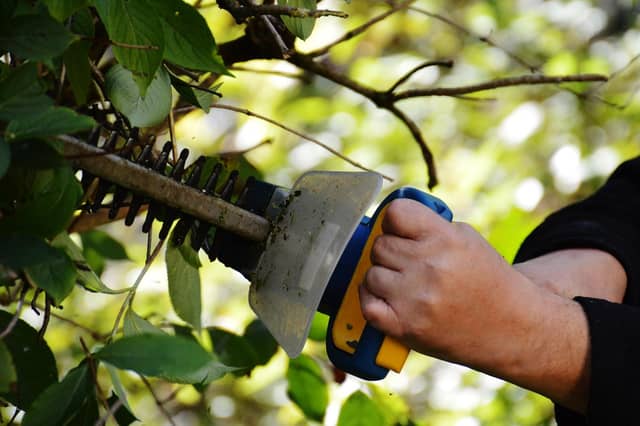

To help Irish homeowners avoid costly mistakes this summer, experts at a leading insurer have revealed four of the most common garden maintenance errors.
‘Home maintenance’ has seen an almost 80% surge in online searches over the past week, as homeowners in Longford across Ireland turn their attention to long-postponed gardening projects and outdoor improvements.
However, before getting stuck in, experts are warning that some seemingly routine garden maintenance tasks could leave homeowners facing hefty fines and even unexpected legal consequences if carried out incorrectly.
To help Irish homeowners avoid costly mistakes this summer, experts at a leading insurer have revealed four of the most common garden maintenance errors people make during the warmer months.
Chill also share practical advice on how to stay on the right side of the law while keeping your outdoor space looking its best and in relation to managing hedges incorrectly.
Under Section 40 of the Wildlife Act 1976, it is generally illegal to cut, grub, burn or remove vegetation growing in hedges and ditches between March 1 and August 31.
The restriction is there to protect nesting birds and other wildlife during the breeding season.
The Department of Housing, Local Government and Heritage states that anyone found guilty of cutting or removing vegetation illegally during this period could face fines of up to €5,000.
Similarly, homeowners also have responsibilities under the Roads Act 1993.
Hedges should not be allowed to become a danger to road users by blocking footpaths, reducing visibility at junctions, obscuring road signs or forcing pedestrians onto busy roads.
Where a hedge creates a hazard, a local authority can issue a notice requiring it to be cut back. If that notice is ignored, the local authority can carry out the work itself and recover the cost from the landowner.
2. Burning garden waste
The Environmental Protection Agency (EPA) issued backyard burning guidance states that burning household or garden waste is illegal.
This is due to it being a nuisance to neighbours, but also because of the harmful chemicals that are released in the air. Failure to adhere to this can result in fines of up to €5,000.
When you are removing rubbish, ensure you’re using your local tip, brown bin service or authorised waste collection provider.
3. Carrying out work on a protected tree
Not every tree can be freely cut back, topped or removed.
Some trees are protected by Tree Preservation Orders (TPOs), which are put in place by local authorities to protect trees of special environmental or historical value.
Before carrying out any work on mature trees, homeowners should check with their local authority whether protections apply.
Where a TPO is in place, planning permission or formal consent is usually required before any work is carried out. Section 156 of the Planning and Development Act 2000 states that carrying out unauthorised work on a protected tree is an offence and may result in fines up to €5,000 in the District Court and/or 6 months imprisonment.
4. Failing to manage trees
Trees are a common source of neighbour disputes, particularly where branches or roots extend across property boundaries.
Homeowners are entitled to cut back encroaching branches or roots to the boundary line, provided they do not enter a neighbour’s property without permission.
If you are cutting your neighbours plants or trees, you should return any parts that you have removed from your side of the boundary to them.
It is their property and therefore their responsibility to dispose of it.
If they don’t wish to have it back, it then becomes the homeowner’s responsibility.
Homeowners are advised that potential issues could be avoided by having a conversation with their neighbour first to see if they are willing to control their plants before there is a need to intervene.