

Assistive Technology proving to be a game changer for those living with Dementia
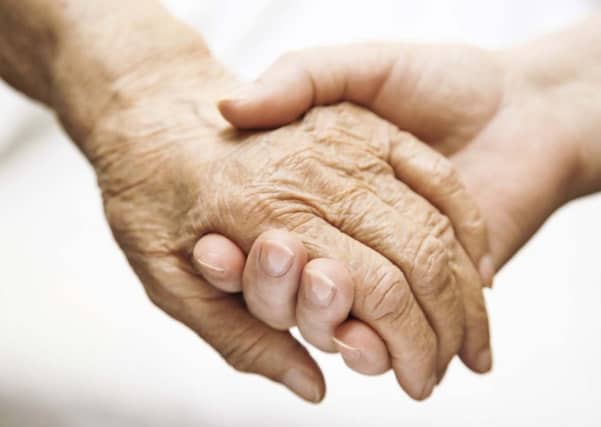

There are numerous daily tasks that can become difficult for patients with Dementia but the Memory Technology Resource Room in Mullingar is filled with a wide range of assistive technology, which can make everyday life that bit easier.
“The Genial Dementia Programme was established in 2011 and they’ve been trialling new ways of supporting people with Dementia,” explained Emer Donohoe, who is a Senior Occupational Therapist with the HSE, working out of the Primary Care Centre in Longford.
“They recognised assistive technology as beneficial and the idea was that every county would have a Memory Technology Resource Room. That didn’t happen - some counties have to share.
“In 2019 the Longford/ Westmeath room was established in Mullingar. It’s a free service to anyone over the age of 18 with memory deficit or dementia.”
The Memory Technology Resource Room in Mullingar is an educational and demonstrative site where clients can view and try out different technology.
“Assistive Technology is there to help them remain safe and allow them to live at home for as long as possible. It’s also there to offer support to carers,” Emer explained.
“The room is laid out with a range of equipment, covering different aspects or topics. When people attend, they might come on their own or family member might come alone, or they might come together. I explain what it’s all about.
“Sometimes someone with early onset dementia will be quite independent and might call in alone.”
Anyone can get a referral to the service. An appointment is made and a consultation will include an informal dialogue to identify the needs of that particular client, to look for solutions and to allow them to trial some of the equipment.
“Pre-Covid, we were lending equipment to clients but we can’t do that now,” Emer explained.
“We look at strategies for each individual client and ways to support carers with technology which is assistive of daily living.”
Examples of technology will include memory aids for someone living alone who might forget to take their medication at night time, which would be quite serious, Emer added.
“We have different technology to remind them. They might have a pendant with an alarm and a pre-recorded message from a family member. Or it might be an automated pill dispenser where a family member can preload the dispenser and at certain times, the pill box will open and an alarm will sound.”
There are also object locators for commonly used objects such as glasses, keys, remote controls, etc. A fob can be placed on the back of these objects and a little remote with a button will prompt the fob to emit an audible alarm, helping the owner to find it.
“Orientation is a big one, especially when it comes to time of day. Routines can get out of sync. We can offer clocks that display the time, the day, the date, the fact that it’s afternoon - all of that information,” Emer continued.
“Or sometimes if they walk into the hall and see closed doors, they might become disoriented. They might need something as simple as a sign in their own home that says which room is the toilet, which room is the living room.”
Other gadgets include simple mobile phones or easy-to-use remote controls without the extra buttons, she added.
“There are landline phones with photo recognition so you can set it to my daughter, my neighbour, my doctor, and just press the photo.”
Safety is another big thing, according to Emer. If a client was to have a fall, they might have a pendant they can press to get help. But some might forget about that, so some go off automatically.
“There are also stove alarms. Some people might forget to turn the stove off. So the alarm can identify when something is burning and it’ll go off,” she said.
“There is also a range of GPS monitoring systems. Sometimes people are terrified their loved ones will go out and then forget how to get home.”
Different items, such as watches, phones and keys can be fitted with GPS so that family members can see where their loved ones are in real time.
“You can also set up a geofence where you set a safe zone, so if they want to go out and you’re quite happy, they can go to a certain point.
“There are also motion sensors and pagers. The carer can carry the pager and once the patient’s feet go over the bed, or out the door, the pager will go off.
“There are ethical issues around these. We need to be mindful of the rights of the client. By tracking them, you’re invading their privacy, or motion sensors will restrict their movements. It’s a bit of an invasion, so it’s very important to discuss this and get consent or, if someone has deteriorated, you can get the power of attorney,” Emer added.
“In the early days, it’s very important to have a living will made, where they can make the decisions on what they want and don’t want.”
There are limitations to the technology, though, Emer explained. Too much assistive technology can be isolating and human contact is still the most important thing for all clients.
Due to the current pandemic, things are different with the Memory Technology Resource Room, as clients can’t come in and trial the equipment in the same way.
“We’re doing a lot of phone consultations and, going forward, we will be looking at virtual demonstrations until it becomes safe for that age group to mix again.”
Anybody can be referred to the Memory Technology Room in Mullingar, as long as they are over the age of 18 and have dementia or another memory-related condition. The service is free and hugely beneficial to clients.